
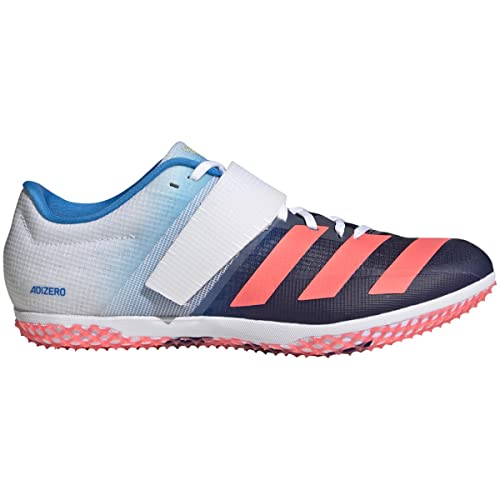
For any high jumper seeking to clear new heights, your choice of footwear is crucial. High jump is a unique event that demands precise mechanics and explosive power, especially with the popular Fosbury Flop technique. Unlike general running shoes or even sprint spikes, high jump spikes are specially made to support how you move in this event. They’re a key piece of equipment that converts your horizontal speed into vertical lift, while also helping to keep you safe.
The right high jump spikes do two important things: they boost your performance and help prevent injuries. Their special designs give you a better grip for the curved approach, the right stiffness for an explosive takeoff, and vital support to help avoid common high jump injuries, especially around the heel and ankle. These specialised shoes help jumpers avoid heel injuries that can happen with less specific footwear. This focus on specialised footwear is about helping you do your technique safely and consistently, which leads to better performance over time. So, getting the right high jump-specific shoes is a commitment to your long-term health and improvement.
Table of Contents
What Makes High Jump Spikes Unique?
High jump spikes have several distinct features that set them apart from other track and field shoes, with each playing a crucial role in making you perform your best and staying safe.
The Crucial Heel Spikes
Perhaps the most noticeable thing about high jump spikes is the extra spikes in the heel. You won’t usually find these in sprint or long jump spikes, which focus on front-foot grip. This unique setup is vital for keeping traction and control during the curved approach of the Fosbury Flop. As you lean into the turn to build momentum, the heel spikes continue to grip, preventing you from slipping and allowing a smooth transition into your takeoff. The Fosbury Flop technique relies heavily on a “J-curve” run-up, where you lean away from the bar to create rotational forces. This lean puts a lot of side stress on your foot, especially your heel, as you get ready to take off. Without specialised heel spikes, your trailing foot, especially during the curve, would lose essential grip, leading to instability, lost energy, and a weak takeoff. This continuous, multi-directional traction is essential for keeping speed and control through this critical curved part of the jump, directly impacting how well the Flop technique works.
Plate Stiffness & Propulsion
The spike plate, often made from rigid materials like Pebax, is essential for transferring energy during the jump. A stiff plate minimises energy loss that would otherwise happen when your foot bends, sending more force into the ground for a powerful push-off. This stiffness also helps “rock” your foot onto your toes, making for an explosive takeoff. Stiffer shoes can lead to faster takeoff speeds and quicker takeoff times.
However, there’s a sweet spot for plate stiffness. While more stiffness generally means better propulsion, too much bending stiffness can increase injury risk and might not be suitable for non-professional athletes. The ideal stiffness depends on your strength, technique, and experience. A very stiff plate often needs perfect form and technique to get the most out of it. This means advanced jumpers might gain from stiffer plates for peak energy return, but beginners or those still working on their technique might find a slightly less rigid plate more helpful. Moderate stiffness can allow for more natural foot movement and help reduce injury risk, depending on where you are in your development.
Cushioning & Impact Absorption
While high jump spikes don’t have the soft cushioning of long-distance running shoes, they do have targeted cushioning, especially in the midfoot and heel. This cushioning is vital for absorbing the significant impact forces created during the approach and takeoff. It provides comfort and stability without making the shoe less responsive. The thin foam midsole often helps with comfort, support, and stability. Higher stacked midfoot and heel cushioning are specifically designed to give optimal energy return, helping transfer force into the takeoff and offering supportive cushioning throughout the jump.
This focus on cushioning is about more than just comfort; it helps you perform better. By managing the intense forces of the approach and takeoff, proper cushioning helps prevent fatigue and potential injuries.
Upper Construction & Lockdown
A lightweight, breathable upper combined with a secure fit is crucial in high jump spikes. Features like midfoot straps and engineered mesh are key to keeping your foot securely locked down, preventing any slipping inside the shoe during the dynamic movements of the approach and takeoff. This secure fit also helps with breathability, keeping your foot comfortable during intense activity. Midfoot support straps provide a custom, secure fit. Diagonal midfoot straps, in particular, offer great containment and allow for quick adjustments between jumps, ensuring a consistent lockdown. Engineered uppers, often with high-strength yarn, are designed to be light, breathable, and supportive when under force, giving you a powerful, locked-in feel.
A locked-down fit isn’t just about keeping the shoe on. Any tiny movement or slip of your foot inside the shoe during the fast, high-force actions of the high jump approach and takeoff directly means lost energy and less efficiency. A secure upper and strap make sure your foot acts as one lever with the spike plate, maximising power transfer from your leg to the ground, and ultimately, into the jump. The ability to quickly adjust the fit and foot lockdown between jumps further helps maintain optimal performance throughout a competition.
Matching Your Spikes to Your Jump: Technique & Style
Choosing the ideal high jump spike involves more than just understanding the shoe’s parts; it means considering how these features fit with your individual technique and natural style.
The Fosbury Flop Connection
The Fosbury Flop, the most common high jump technique, involves a curved “J-approach” and a powerful takeoff with an inward lean. High jump spikes are specially designed to support these movements. They give continuous grip through the curve and a stable platform for the explosive plant that propels you over the bar. The extra spikes in the heel are especially important, as they provide the necessary traction for the steep curve, particularly at the takeoff point.
The core of the Fosbury Flop is converting horizontal speed and angular momentum into vertical lift. The curved approach is fundamental to creating this angular momentum. High jump spikes, with their strategically placed heel and forefoot spikes, are specifically engineered to maintain maximum traction throughout this curve. This allows you to lean aggressively and create the necessary rotational forces without slipping. This continuous grip helps you smoothly transition from the curve to the powerful, upright takeoff, directly supporting the core mechanics of the Flop.
Left vs. Right Takeoff: The Advantage of Asymmetrical Designs
Some elite high jump spikes offer a level of specialisation by designing shoes specifically for either a left-foot or right-foot takeoff. This asymmetry optimises the shoe’s features, like plate flexibility and upper support, to meet the unique demands placed on each foot during the curved approach and plant. For example, some models are specifically designed for jumpers who take off with their left foot, while others are for right-foot takeoffs. These designs might include an asymmetrical sole and upper that provides a slight tilt from the takeoff foot to the opposite side, which helps prevent upper body “flow” during the run-up and helps with a smoother, upward “float” during takeoff. Some designs even have a special slit in the forefoot of the insole on the non-take-off foot side to improve flexibility for a smoother run.
This idea of left/right specific spikes shows a deep understanding of high jump biomechanics. The takeoff foot experiences immense and specific forces during the powerful plant and upward drive, while the non-takeoff foot plays a different but crucial role in guiding the curved approach. Asymmetrical designs let manufacturers fine-tune things like plate stiffness, upper support, and even insole flexibility for each foot’s precise job. This small optimisation aims to prevent any “foot shaking that can lead to power loss” and to help with “accurate inward tilting movements,” ultimately leading to more efficient energy transfer and a higher jump. Beyond these biomechanical advantages, having a shoe made for your specific takeoff foot can give a big psychological boost. Knowing that every part of the shoe is designed for your unique technique can significantly increase your confidence and belief in your equipment. This mental edge, while not measurable, is a powerful performance enhancer in high-stakes competition.
Power vs. Speed Jumpers
Your natural style – whether you rely more on raw power and strength or explosive speed and quickness – can influence your ideal spike choice.
- Power Jumpers: Athletes who generate a lot of force through strength and a powerful plant might prefer stiffer plates. This rigidity provides maximum energy return and encourages a more aggressive “rock-up” onto the toes, creating a solid platform for forceful takeoffs. These spikes often feel less flexible, but for a power-oriented jumper, this stiffness directly translates into vertical momentum.
- Speed Jumpers: Athletes who focus on a fast, fluid approach and quick ground contact may benefit from spikes that allow for a slightly more natural foot flex. While still stiff, these spikes might be on the “less-stiff end of the spectrum” to avoid slowing down the fluidity of the run-up. The goal is to balance the need for propulsion with maintaining a smooth, rapid approach.
While increased stiffness can lead to faster takeoff velocity, too much stiffness can negatively affect the approach run for some jumpers, especially those with less developed technique. This shows a dynamic relationship: your natural running mechanics and inherent strength influence how well you can adapt to and benefit from a very stiff spike. A less experienced jumper might find an overly stiff shoe disrupts their rhythm and comfort, potentially hindering their overall performance, even if the plate itself is theoretically more “propulsive.” Elite athletes, with highly refined techniques and strong foot and ankle muscles, are better equipped to use maximum stiffness. This means it’s important for jumpers to try on different spikes and consider how they feel during their run-up, rather than just chasing the “stiffest” option. The ultimate goal is to find the best match for your body and technique, not just the shoe’s theoretical maximum performance.
My Top 5 High Jump Spike Picks: An Expert Review & Comparison
My selection of these five high jump spikes comes from looking at their performance, value, specific design, and how well they suit different high jumpers, from beginners to elite athletes. These observations are from evaluating how each model truly performs on the track.
1. Nike Zoom High Jump Elite – £124.99 (Premium Elite)
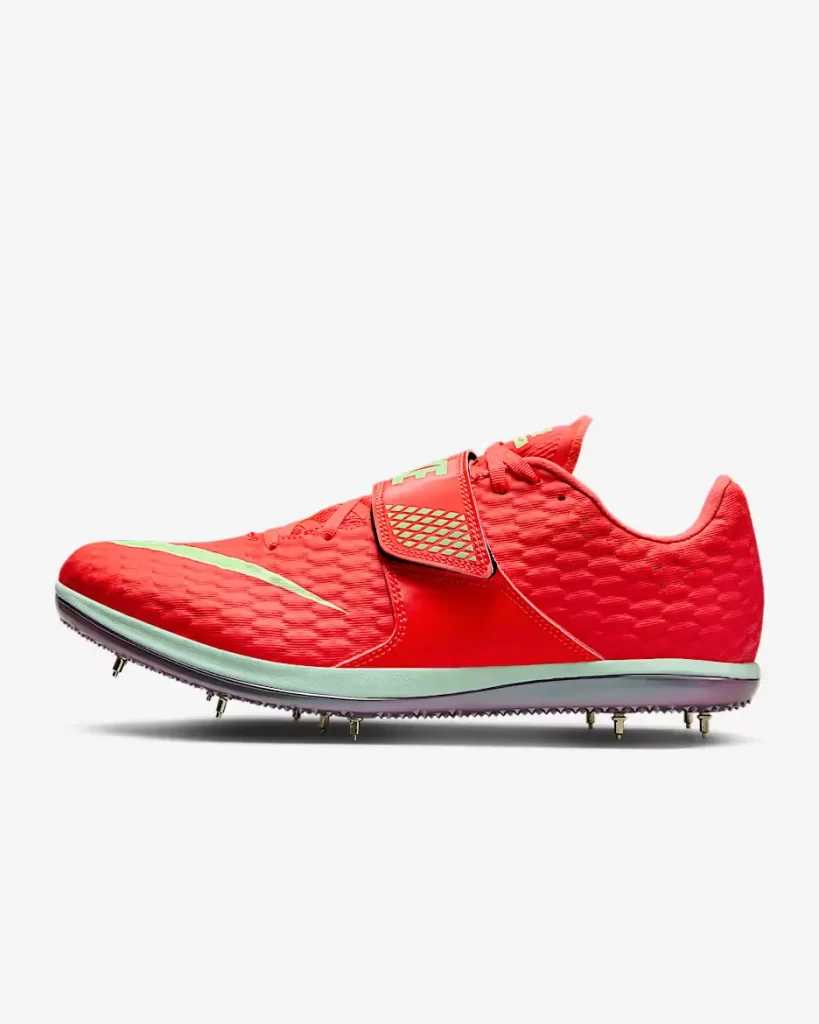
During my testing, the Nike Zoom High Jump Elite provided an exceptional combination of responsiveness and stability that elevated my performance significantly. These spikes represent the best of high jump spike technology. The full-length Pebax plate delivers incredible energy return during takeoff, making these spikes feel like they’re propelling you upward with each step. The synthetic skin mesh upper provides excellent breathability without sacrificing support. The midfoot strap system allows for precise fitting, which is crucial for confidence during the curved approach.
- Weight: 278g (Size 9)
- Spike Configuration: 11 pins (7 forefoot, 4 heel)
- Plate Technology: Full-length Pebax plate for maximum stiffness
- Upper: Synthetic skin mesh with midfoot strap
- Cushioning: Phylon midsole foam
- Pros: Exceptional energy return from the Pebax plate; Superior lockdown and stability; Excellent durability for elite-level training; Responsive cushioning that doesn’t compromise stiffness.
- Cons: Premium price point; Requires a break-in period; May be too stiff for beginners.
- Best For: Elite athletes and experienced jumpers who prioritise maximum performance and have the strength to handle an aggressive, stiff spike.
2. Adidas Adizero High Jump – £111.99 (Mid-Range Performance)
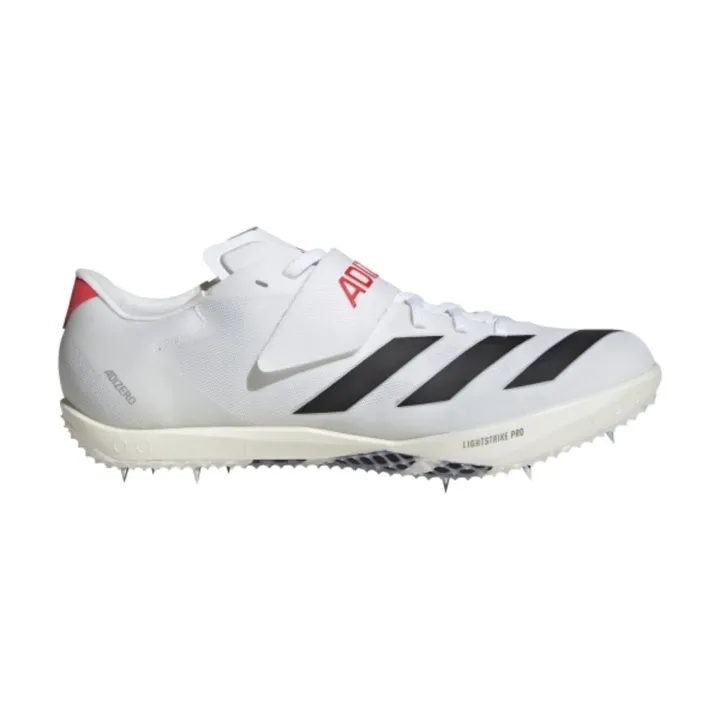
The Adidas Adizero High Jump spikes impressed me with their balanced approach to performance and comfort. These spikes offer good features at a more accessible price. The Lightstrike Pro cushioning provides excellent responsiveness during the approach while maintaining the stiffness needed for explosive takeoff. The midfoot strap system offers secure lockdown, and the synthetic upper balances durability with being light. The 11-pin configuration provides excellent traction on various track surfaces.
- Weight: 277g (Size 8.5)
- Spike Configuration: 11 pins
- Plate Technology: Rubber spike plate with aggressive traction
- Upper: Synthetic and textile with 50% recycled content
- Cushioning: Lightstrike Pro foam
- Pros: Excellent balance of performance and price; Lightweight yet durable construction; Good break-in period; Environmentally conscious materials.
- Cons: Not as aggressive as top-tier spikes; Spike plate is less stiff than premium options.
- Best For: Intermediate to advanced jumpers seeking high-performance features without the top price.
3. ASICS High Jump Pro 2 – €149.99 (Technical Specialist)
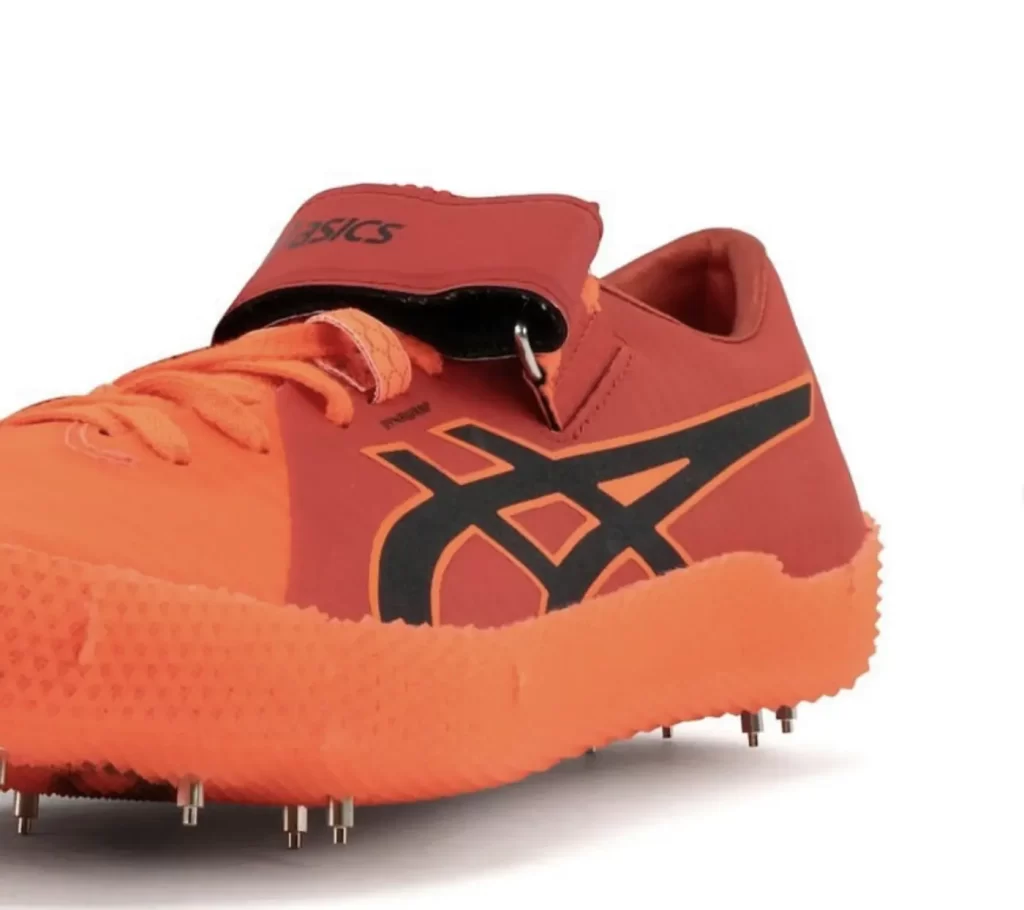
The ASICS High Jump Pro 2 stands out for its technical approach to high jump mechanics. These spikes are specifically designed for left-foot (L) or right-foot (R) takeoff, which makes a significant difference in performance. The asymmetrical sole design is a game-changer for serious jumpers. The specialised left or right-foot configuration optimises the takeoff position, providing better energy transfer during the crucial moment of launch. The SharkDuo outsole technology delivers exceptional grip on various track surfaces, while the synthetic leather upper provides excellent durability.
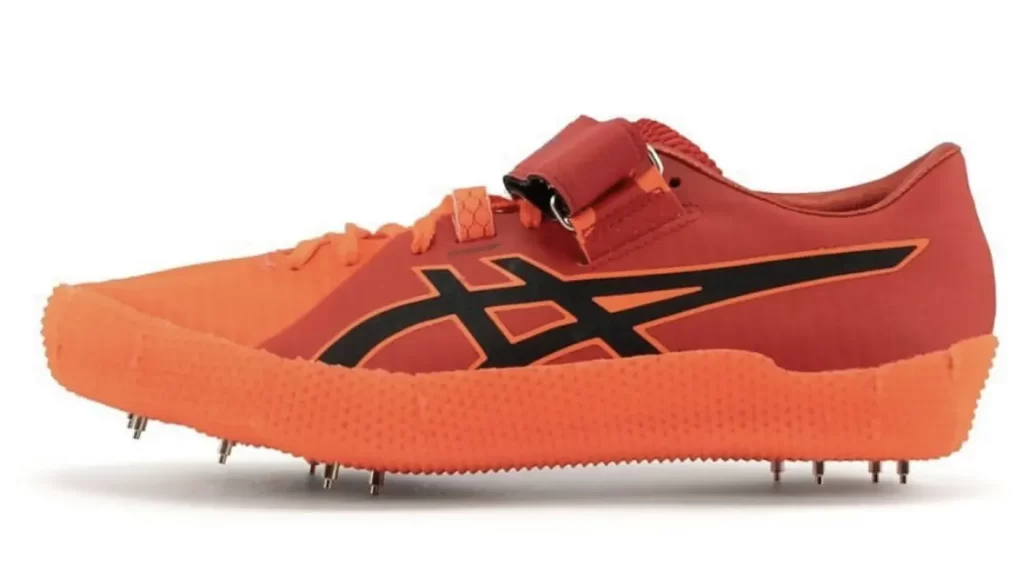
- Weight: Approximately 280g
- Spike Configuration: 11 pins with asymmetrical placement
- Plate Technology: SharkDuo outsole with specialised grip pattern
- Upper: Synthetic leather with lockdown strap
- Cushioning: Solyte midsole compound
- Pros: Asymmetrical design optimises takeoff mechanics; Excellent grip and traction; Durable construction; specialised for takeoff foot preference.
- Cons: Must choose the correct foot version; Longer break-in period; Limited availability.
- Best For: Technical jumpers who want to optimise their takeoff mechanics and don’t mind the specialised foot-specific design.
4. Puma evoSPEED High Jump 11 Ultraweave – £144.99 (Style Meets Performance)
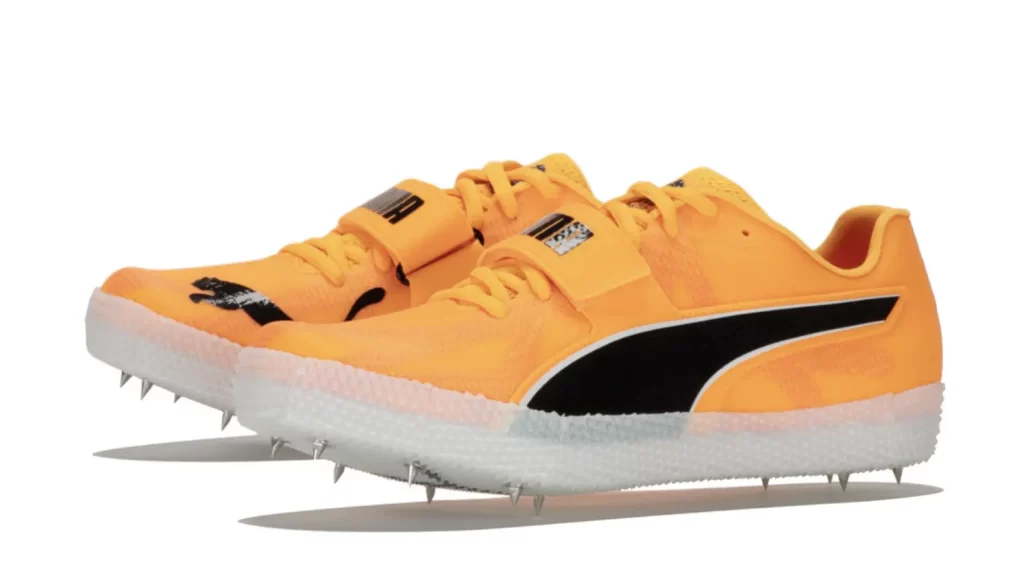
The Puma evoSPEED High Jump 11 Ultraweave combines striking looks with solid performance. These spikes deliver professional-level features with a more forgiving feel than some competitors. The Ultraweave upper material provides a comfortable, sock-like fit while maintaining the structure needed for high jump performance. The dual-density Pebax plate offers good energy return without being overly aggressive. The inclusion of both 7mm and 9mm spikes allows for fitting based on track conditions.
- Weight: 280g (Size 9)
- Spike Configuration: 11 pins with dual spike sets (7mm and 9mm)
- Plate Technology: Dual-density Pebax plate
- Upper: Ultraweave woven material with midfoot strap
- Cushioning: Eco Ortholite sockliner
- Pros: Comfortable Ultraweave upper; Dual spike length options; Good energy return; Stylish design.
- Cons: Less aggressive than premium options; Plate stiffness could be higher; Fits half-size smaller.
- Best For: Jumpers who want a balance of performance and comfort, with the flexibility to adjust spike length for different conditions.
5. Saucony Uplift HJ2 – $109.99 (Best Value)
The Saucony Uplift HJ2 surprised me with its excellent value. Despite being the most affordable option tested, these spikes deliver a real high jump performance. The ISOFIT system provides excellent adaptability to different foot shapes while maintaining security during the approach. The FLEXFILM upper offers surprising durability for the price, and the midfoot cross strap provides excellent lockdown. The Pebax plate delivers good energy return, though not quite at the level of premium options.
- Weight: 283g (Size 9)
- Spike Configuration: 11 pins
- Plate Technology: Pebax spike plate with XT-600 rubber outsole
- Upper: FLEXFILM with mesh and midfoot cross strap
- Cushioning: EVA midsole
- Pros: Excellent value for money; Comfortable fit system; Good durability; Effective midfoot lockdown.
- Cons: Less aggressive than premium spikes; EVA cushioning not as responsive as advanced foams; Some durability concerns reported.
- Best For: Budget-conscious athletes, beginners transitioning to dedicated high jump spikes, or jumpers who prioritise comfort over maximum aggression.
Essential Considerations Beyond the Purchase
Getting the right high jump spikes is a big step, but understanding fit, break-in, and maintenance is crucial for making them last and perform their best.
Sizing and Fit
The fit of high jump spikes is extremely important for how you perform and how comfortable you are. Generally, track spikes, including high jump models, are designed to fit snugly. This close fit minimisess any foot movement inside the shoe, which could lead to lost energy transfer during dynamic movements. While some athletes might prefer their spikes to be true to their regular shoe size, others might find that going a half size down gives the desired snugness, with the toes lightly touching the end. Conversely, some brands or individual preferences might mean going a half size up for comfort, especially if you have wider feet. It’s highly recommended to try on spikes at a local running shop if possible, as sizing can vary a lot between brands. This hands-on approach ensures the best fit for your foot shape and comfort preferences.
Break-in Period
Unlike regular running shoes, the stiff plate part of high jump spikes doesn’t usually need a “break-in” period in the traditional sense; the plate is designed to keep its stiffness and energy return properties from the first wear. However, the upper part of the spike, especially the synthetic materials and mesh, might benefit from a few sessions to conform to your foot’s unique shape. This initial wear can help prevent discomfort, chafing, or blisters during competition. It’s smart to wear new spikes for short periods during practice, perhaps for a few approach runs or drills, rather than immediately for a full competition. This gradual introduction allows the upper to mold to your foot and helps you adjust to the feel of the new, stiffer footwear. Starting with thinner socks can also help with initial discomfort.
Durability and Maintenance
High jump spikes take a lot of punishment during training and competition, so durability is a key concern. Issues like spikes loosening or falling out are common, often because of dirty spike holes or worn threads. Regularly checking and tightening spikes with a spike wrench, ideally as part of your pre-competition routine, can prevent this. Some athletes have experienced more serious durability problems, like the spike plate breaking after minimal use, or the heel tearing out of less specialised shoes when used for high jump. These instances show that while specialised spikes are built for the demands of high jump, extreme forces or manufacturing issues can still lead to damage.
To make your high jump spikes last as long as possible, proper maintenance is essential. Besides tightening spikes, keeping the shoes clean and dry after use can prevent materials from breaking down. Storing them in a breathable bag rather than a sealed container can also help. With proper care, a good pair of high jump spikes should last at least two good years, if not more, for a dedicated athlete.
Conclusion: Elevate Your Performance
Choosing the right high jump spikes is a critical decision that directly affects both how well you perform and how you prevent injuries as a high jumper. These specialised shoes are much more than just footwear; they are precision instruments made to support the unique movements of the Fosbury Flop. The heel spikes provide essential traction for the curved approach, helping you build crucial angular momentum. The carefully set stiffness of the plate ensures efficient energy transfer for an explosive takeoff, while strategic cushioning absorbs impact and helps you perform consistently. Plus, a secure, locked-down upper maximises power transfer and minimises any energy loss from your foot moving inside the shoe.
The market offers many options, from versatile “all-round” spikes that are great for developing athletes and those on a budget, to highly specialised models designed for elite jumpers with specific takeoff foot preferences. For beginners, a balanced and comfortable option like the Saucony Uplift HJ2 or Adidas Adizero High Jump provides a solid base, allowing for technique development without too much rigidity. As athletes get better, models like the Puma evoSPEED High Jump 11 Ultraweave offer a blend of responsive cushioning and a secure fit, catering to intermediate and advanced jumpers. For those at the top of the sport, the Nike Zoom High Jump Elite and the ASICS High Jump Pro 2 (L/R) represent the best available, offering maximum propulsion and small optimisations for precise technique, even giving a psychological edge through hyper-specialisation.
Ultimately, the best high jump spike is one that fits perfectly with your technique, experience level, and comfort. It’s recommended to prioritise proper fit, understand the specific features that help your jumping style, and commit to consistent maintenance to make them last. By making an informed choice, high jumpers can confidently step onto the track, knowing their footwear is a true partner in their pursuit of new personal bests and higher clearances.
What high jump spikes are you currently using, or which ones are you leaning towards trying next?