

Cross-country running is an amazing challenge, and your shoes are a key part of your success. Unlike track, cross-country courses can throw anything at you – from soft grass to sticky mud, gravel, and hills. This means you need special shoes that can handle it all: cross-country spikes!
They don’t just give you better grip; they make you feel more confident, stable, and even help you push forward. Without the right spikes, you might slip, slow down, or even get hurt.
Table of Contents
Why XC Spikes are Different (and Better!) for Trails
Running on a cross-country course is totally different from a smooth track. The ground changes constantly, with grassy patches, thick mud, rough gravel, and uneven surfaces with roots and rocks. Your shoes need to grip all of it!
Built for the Battle: How XC Spikes are Made
Cross-country spikes are designed specifically for these changing conditions, which makes them quite different from track spikes.
Outsole & Grip: Your Best Friend on the Course
Cross-country spikes are all about aggressive grip. They have small metal or rubber spikes on the bottom that dig into soft or uneven ground. You’ll really feel the difference as they grab hold on a slippery hillside, helping you keep your speed.
A cool feature is that many cross-country spikes have removable spikes. This means you can swap them out! Longer spikes are great for muddy courses, while shorter ones work better on firmer grass. This helps you get the best grip for whatever the course throws at you. Some cross-country shoes even have rubber nubs instead of metal spikes for good grip on less aggressive terrain like dry dirt, and they’re comfier on paved sections.
Compare this to track spikes, which usually have a rigid plate with fixed spikes. They’re built for speed on flat, even surfaces, not for adapting to varied ground.
Cushioning & Support: Staying Comfy and Safe
While they’re still light, cross-country spikes have more cushioning and support than sprint track spikes. This is important for protecting your feet from all the impacts of running on uneven surfaces over longer distances.
Often, they use EVA foam or advanced materials like ZoomX and FuelCell foams. This cushioning helps absorb shock from hard-packed dirt or rocky trails. The aim is to give you enough protection without making the shoe feel bulky. Some models offer more cushioning than others, so you can pick what feels best for you. New tech in foams means better energy return and a “leg-saving” feel, just like you see in top road racing shoes!
Upper Durability & Fit: Tough and Secure
The top part of a cross-country spike needs to be tough. Unlike some track spikes that can tear easily, cross-country spikes have stronger uppers and reinforced areas to stand up to rough trails. Even with this durability, they’re usually made from breathable and light materials like mesh to keep your feet cool.
A snug and secure fit is super important. A well-fitting spike stops your foot from sliding around on steep hills or sharp turns, which can cause blisters or make you lose control. Cross-country spikes generally have a narrower design for this secure feel. Some, like Nike’s Vaporweave, are even designed to stay light even when wet, which is a big help in muddy conditions!
Flexibility & Protection: Moving Naturally
Cross-country spikes are designed to let your foot move naturally and flex with the terrain. This is different from the stiff plates you often find in sprint track spikes. They offer enough protection from rocks and roots without feeling too thick or heavy.
Track vs. Trail: A Quick Look
| Feature | Cross-Country Spikes | Track Spikes |
|---|---|---|
| Intended Terrain | Variable (grass, mud, gravel, hills, uneven trails) | Flat, hard, uniform surfaces (synthetic track) |
| Outsole/Traction | Aggressive lugs/spikes; often removable metal or rubber pins | Rigid or semi-rigid spike plate; fixed pins |
| Cushioning | More heel and midfoot cushioning; less than trainers | Minimal heel support in sprint spikes; some in distance |
| Upper Durability | Robust and reinforced for rough terrain; breathable | Minimalist and aerodynamic; less protection |
| Fit | Snug and secure for stability on uneven ground | Tight for maximum power transfer; “glove-like” |
| Weight | Lightweight but durable (typically under 12 oz) | Exceptionally light (some under 5 oz) |
| Flexibility | More flexible sole for natural foot movement | Often rigid spike plate for propulsion |
| Spike Plate | Midfoot-focused spike socket for versatility | Greater emphasis on forefoot for explosive push-offs |
Top 5 Cross-Country Spikes for 2025!
Here are some of the best cross-country spikes out there in 2025, each bringing something different to the course:
1. Nike ZoomX Dragonfly XC
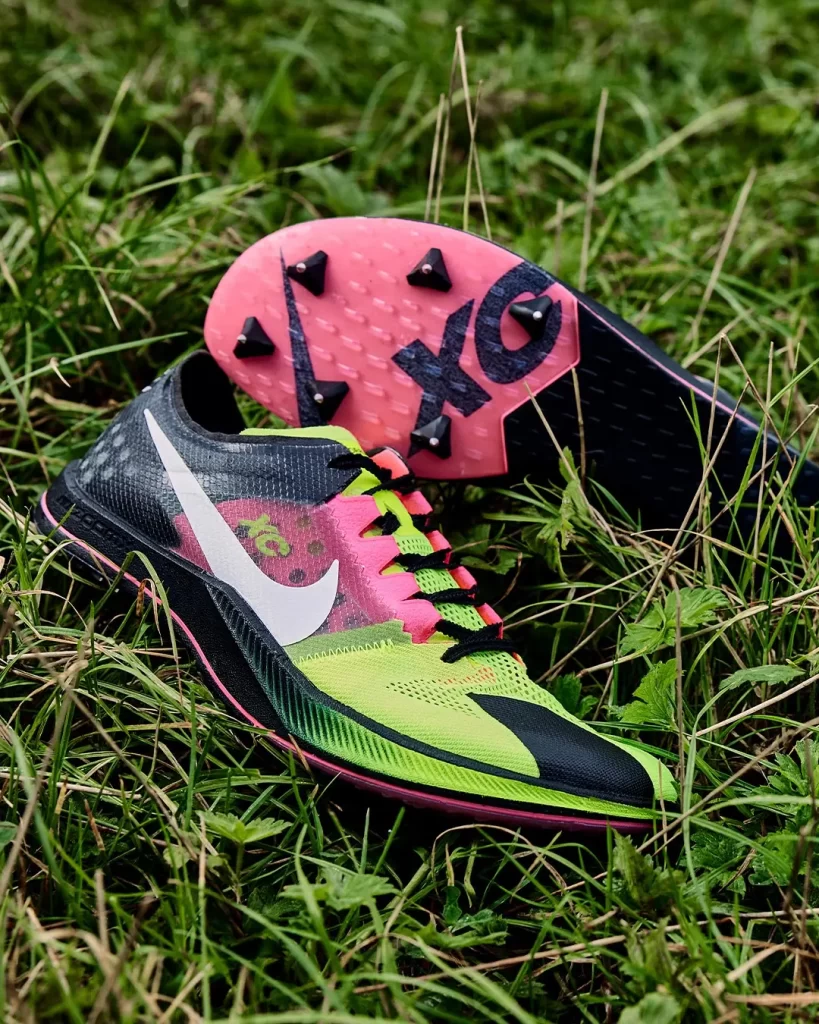
This is a top-tier spike, basically a tougher, off-road version of the popular track Dragonfly. Runners love its bouncy ZoomX midsole which saves your legs on hilly courses. The Vaporweave upper is breathable and stays light even when wet, which is a huge plus in mud. It has new grippy pins and a wider base for a fast and stable ride. While amazing for performance, some users have noted the foam peeling a bit after several races. It’s built sturdier and a bit heavier than its track cousin for extra protection on varied terrain.
- Who it’s for: Serious cross-country racers, especially if you like the Dragonfly track spikes and hit the ground with your forefoot. Great for wet, muddy, and long cross-country races.
- Why buy it: Energetic ZoomX foam, full-length Pebax plate for propulsion, Vaporweave upper stays light when wet, and you get two sets of removable spikes to customize your grip.
2. Saucony Kilkenny XC 9 Spike
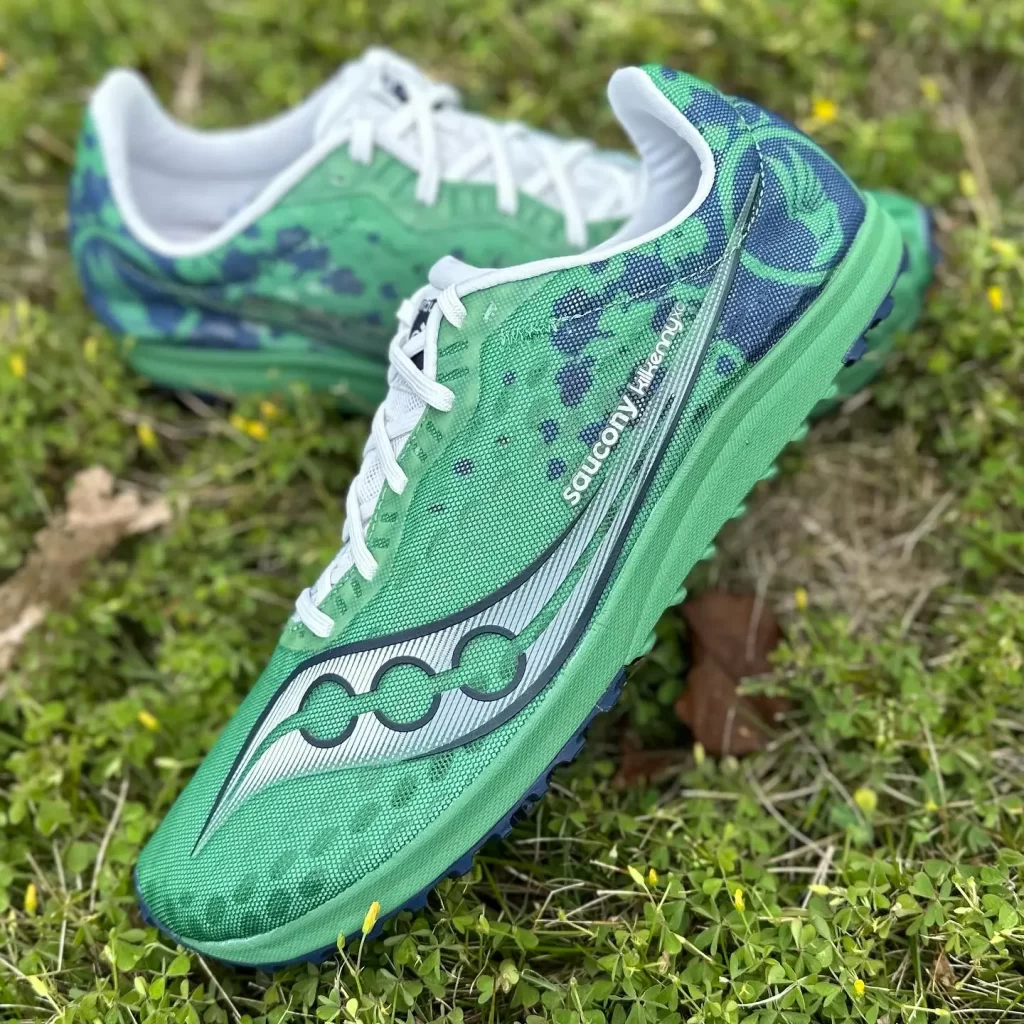
The Kilkenny XC 9 is a long-time favorite, known for being versatile and super comfy. Runners often call it one of the most comfortable spikes they’ve worn, thanks to its breathable upper and EVA midsole. It feels low-profile on your foot. Some users mention a slight heel slip, but lacing tricks can help. Its sole is a little thicker, making it good for 5K distances rather than short, intense sprints.
- Who it’s for: Beginners to advanced runners, 5K specialists, and anyone who puts comfort first. Good for mixed terrain and firm grass.
- Why buy it: Exceptional comfort from the EVA midsole, lightweight (around 5.2 ounces), accommodating fit, and reliable traction from its optional 4-pin plate. It’s also a great value.
3. Hoka Unisex Crescendo XC
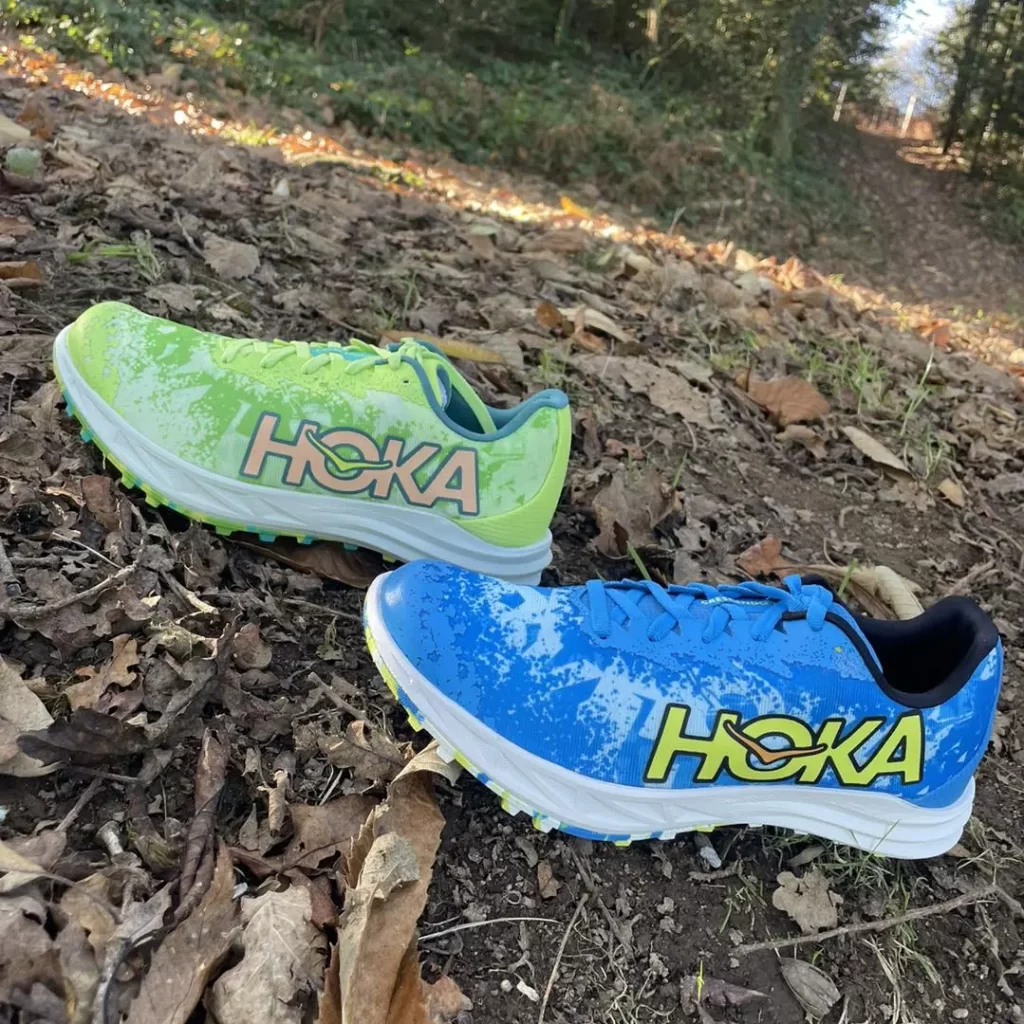
This Hoka spike is a good entry-level option, famous for its extra cushioning – a Hoka signature! Runners praise its generous midsole cushioning, which is more than most standard cross-country spikes, giving a plush feel. It still feels responsive and light, good for speedy efforts. However, some users report the thicker sole can feel a bit unstable on very hard, uneven ground. It tends to run small, so sizing up is often recommended, but it’s generally wider than Nike spikes.
- Who it’s for: New runners looking for a comfy start to spikes, or those who prefer more cushioning. Best for drier courses or those with paved sections.
- Why buy it: High level of cushioning for superior comfort, anatomical tongue for a snug fit, 6-pin spike plate, and durable rubber outsole for reliable grip. It’s also budget-friendly.
4. New Balance FuelCell XC7 v5
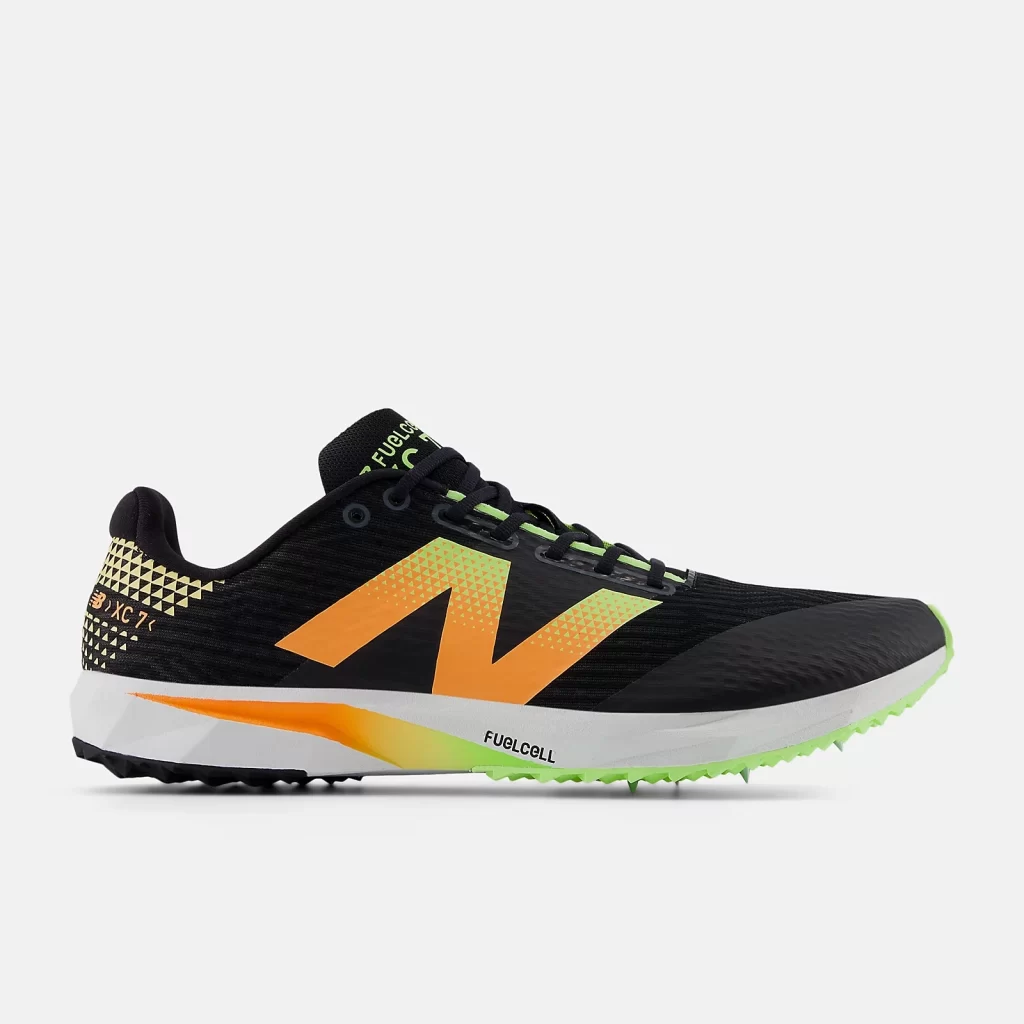
The FuelCell XC7 v5 is built for cross-country athletes, focusing on lightweight comfort and a springy feel. Runners say the FuelCell foam gives a distinct “propulsive” sensation, making it feel light and responsive. The aggressive pattern on the rubber outsole provides reliable traction. The lacing system offers a secure, snug fit. A common note is that it runs smaller and tighter than other models, so you might need to go up a full size.
- Who it’s for: Runners new to cross-country who want a mix of comfort and speed. Great for mixed terrain, including some paved sections.
- Why buy it: Propulsive FuelCell foam midsole, aggressive rubber outsole and lugs for reliable traction, and a breathable mesh upper for a secure fit. It’s also competitively priced.
5. Saucony Havok XC 3
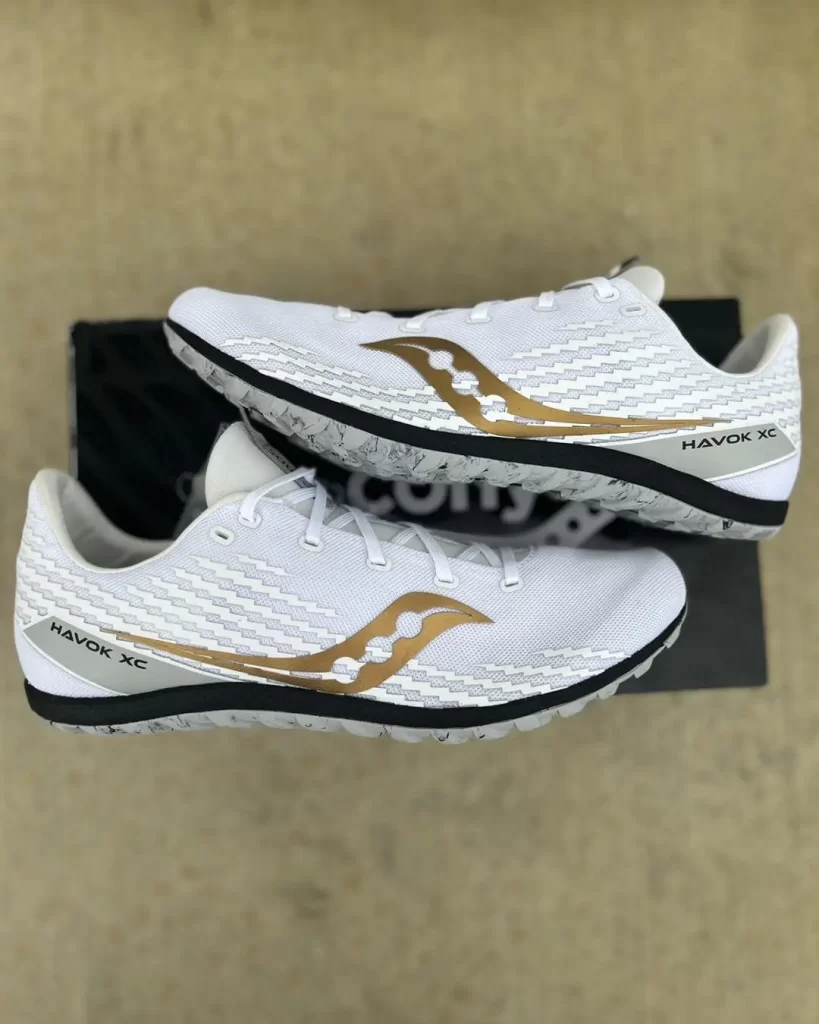
The Havok XC 3 is a lighter and faster option compared to the Kilkenny, designed for experienced runners who want an aggressive edge. Runners consistently find it lighter and faster than the Kilkenny, giving them confidence on tough terrain. It offers a nimble, close-to-the-ground feel for quick footwork. Many find it comfortable right away. However, some users have reported durability issues, like seams tearing near the tongue after a few uses, and debris sometimes getting stuck under the forefoot.
- Who it’s for: Experienced, aggressive racers looking to set personal bests. Good for competitive races on varied terrain.
- Why buy it: Very lightweight design (around 5.0 to 5.6 ounces), aggressive 6-pin spike plate, full-length rubber outsole for reliable traction, and a breathable monomesh upper for a secure fit.
Choosing Your Weapon: Finding the Right Spike for You †
Picking the perfect cross-country spike is a personal journey. There’s no single “best” shoe; it really depends on what you need, how you run, and what your typical courses are like.
Here are some things to think about when you’re choosing:
- Course Conditions: What kind of ground will you mostly be running on? For muddy courses, you’ll want aggressive, longer spikes. For drier dirt or paved sections, rubber lugs or shorter spikes might be better.
- Running Style: Do you land more on your forefoot or your heel? Some shoes, like the Dragonfly XC, encourage forefoot striking, which can be powerful but might take some getting used to.
- Cushioning vs. Ground Feel: Do you want more cushioning for comfort and protection (like the Hoka Crescendo XC), or a more nimble, close-to-the-ground feel for max speed (like the Saucony Havok XC 3)?
- Race Distance: For shorter, faster races, a lighter, more aggressive spike might be best. For longer, tougher cross-country efforts, a shoe with a bit more cushioning and tougher upper might be better for comfort and protection.
This table gives you a quick overview of our top five, to help you find your perfect match:
| Model | Ideal Runner | Best Course Conditions | Overall Feel | Key Feature |
|---|---|---|---|---|
| Nike ZoomX Dragonfly XC | Elite, serious XC racer, forefoot striker | Wet, muddy, varied, long XC | Responsive, Springy | ZoomX foam, Vaporweave upper, Dual pin options |
| Saucony Kilkenny XC 9 Spike | Beginner to advanced, 5K specialist, comfort-seeker | Versatile, mixed, firm grass | Comfortable, Balanced | Molded EVA midsole, Accommodating fit |
| Hoka Unisex Crescendo XC | Entry-level, cushioning-lover, neutral gait | Drier, mixed, less technical | Plush, Protective | High EVA cushioning, Trainer-like feel |
| New Balance FuelCell XC7 v5 | New to XC, mixed terrain runner, value-seeker | Mixed, dry, some pavement | Springy, Responsive | FuelCell foam (PEBA), Aggressive rubber lugs |
| Saucony Havok XC 3 | Experienced, aggressive racer, PR-seeker | Varied, competitive, fast | Nimble, Close-to-ground | Lightweight, Aggressive 6-pin plate |
Ultimately, the world of cross-country spikes in 2025 offers awesome options for every kind of runner. Knowing the differences in how these spikes are designed – from their grip to their cushioning and how tough they are – helps you pick the right pair for the job.
Whether you’re an elite athlete looking for maximum energy return or a beginner prioritizing comfort, there’s a spike out there for you! The cool new cushioning tech from road racing shoes showing up in cross-country spikes means even more comfort and a faster feel for those grueling races. Understanding these design points and matching them with your running style and courses is key to conquering any cross-country course.
Ready to find your perfect pair and hit the trails?